
Illinois’ flat income tax rate means that every resident, regardless of income level, pays the same individual income tax rate of 4.95 percent. Nonresidents who work in Illinois also must pay income tax to the state, unless they live in Wisconsin, Iowa, Kentucky or Michigan. The only exception is railroad unemployment.More information is on the Illinois Department of Revenue’s website. Watch Debt to Asset Ratio the video below to learn how to identify your 2024 federal income tax brackets. The state of Illinois offers several programs to reduce its residents’ income taxes.
Sales Taxes
- Illinois has no state tax on inheritance, but you are required to file on all estates of $4 million or more.
- Figure the amount of your Illinois deduction by completing the following calculation using the ISE decimal, and enter the amount on Line 28, Column B.
- Tax deductions are available for a wide range of expenses, such as charitable donations, mortgage interest, medical expenses, and business expenses.
- Illinois also accepts online payments of your tax debt with credit cards and debit cards, or through a bank transfer.
- When calculating your Illinois income tax, keep in mind that the Illinois state income tax brackets are only applied to your adjusted gross income (AGI) after you have made any qualifying deductions.
Tax-Rates.org provides easy access to five of the most commonly used Illinois income tax forms, in downloadable PDF format. For all of the tax forms we provide, visit our Illinois tax forms library or the ‘s tax forms page. For official forms and instructions, visit the Illinois Department of Revenue website, which provides up-to-date resources and guidance for taxpayers. Bankrate.com is an independent, advertising-supported publisher and comparison service. We are compensated in exchange for placement of sponsored products and services, or by you clicking on certain links posted on our site.
What is the process for filing Illinois state income tax returns?
The rate is reviewed twice each year — on January 1 and July 1 — and adjusted according to the «underpayment rate” or the “short term rate” established under the Internal Revenue Code (IRC Section 6621). If you were a nonresident of Illinois when you received the income, you will be taxed only on the income you received from Illinois sources. If you were a resident of Illinois when you received the income, you will (within certain limitations) be taxed on 100 percent of the income you received while you were a resident, regardless of the source. If a pass-through entity overpays pass-through withholding or PTE tax, the pass-through entity may request a refund. The members of the pass-through entity are allowed a credit only for their share of pass-through withholding or the calculated PTE tax due to the extent that the PTE tax was paid.

Illinois State Taxes
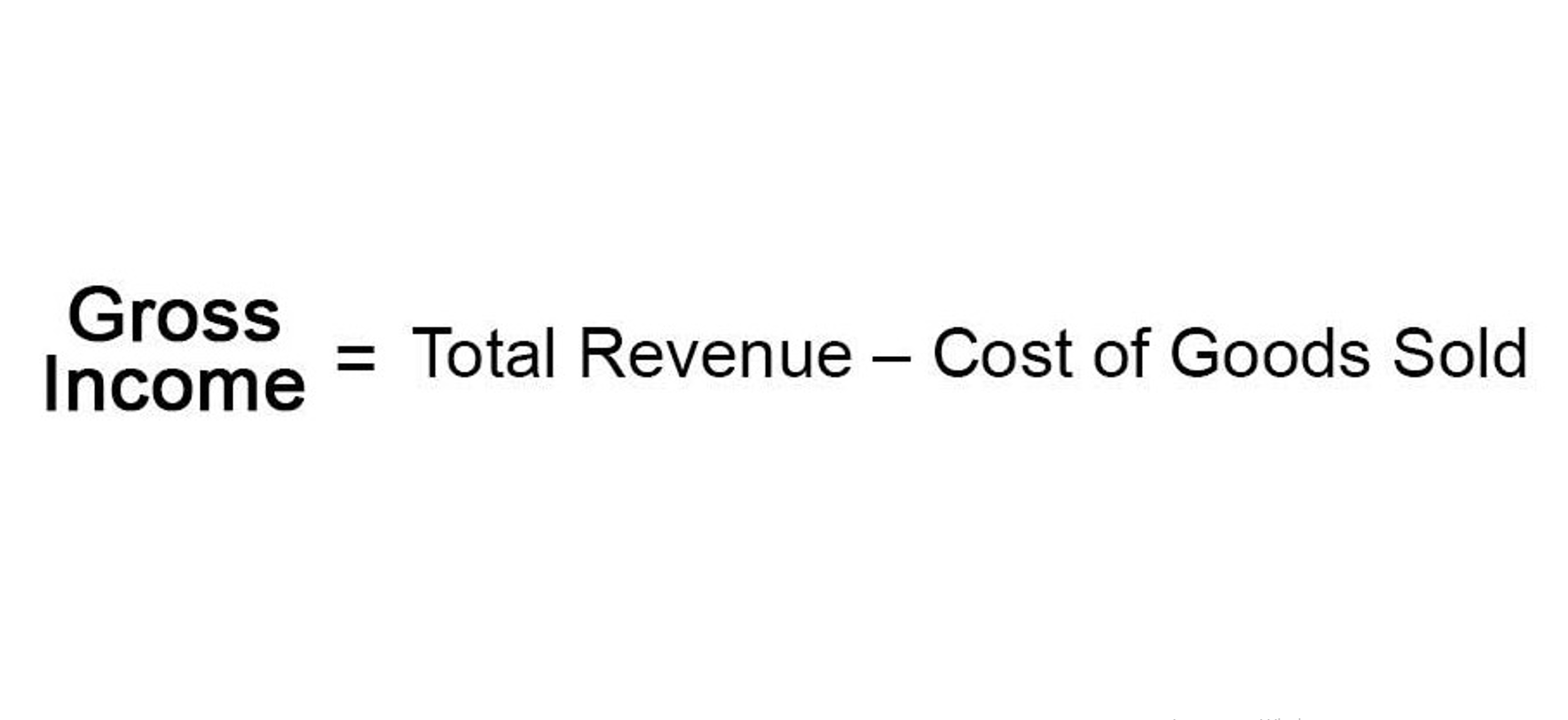
If the IRS grants you this extension, IDOR will grant you the same extension. Income tax deductions are expenses that can be deducted from your gross pre-tax income. Using deductions is an excellent way to reduce your Illinois income tax and maximize your refund, so be sure to research deductions that you mey be able to claim on your Federal and Illinois tax returns. For details on specific deductions available in Illinois, see the list of illinois state income tax rate Illinois income tax deductions. Samantha, a high-net-worth individual, has significant income from her investments. To reduce her taxable income, she donates appreciated stocks to her favorite charity.
The Illinois Income Tax
- The state of Illinois has a flat income tax, which means that everyone, regardless of income, is taxed at the same rate.
- As a part-year resident, the rules you use to determine Illinois income and tax depend on whether or not you were a resident of Illinois when you received the income.
- For more information, see Publication 130, Who is Required to Withhold Illinois Income Tax, or refer to “What if I need additional assistance?
- Self-employed individuals or those with significant non-wage income may need to make quarterly estimated tax payments to avoid underpayment penalties.
- Both states’ Departments of Revenue have simple tables showing the individual income tax rates, so we’ll recap those here.
This proposed change is subject to voter approval in a ballot initiative. The current state cash flow income tax rate in Illinois is a flat rate of 4.95%. This rate applies to all levels of income earned by residents of Illinois.
Renewable Energy Tax Credits and Tax Equity Deals

This legislation outlines how income tax is collected and establishes guidelines for compliance and enforcement. A closer examination reveals important aspects such as tax rates, deductions, and recent amendments that significantly influence taxpayer responsibilities. When filing an income tax return in Illinois, taxpayers begin with their federal taxable income. From there, certain items may be added back in, and others may be subtracted. Among the most important items that are taxable federally but not in Illinois are retirement and Social Security income, as well as distributions from a 529 college savings plan. Certain high-income taxpayers in Illinois are not eligible for the exemption allowance.
- If you’re ready to find an advisor who can help you achieve your financial goals, get started now.
- Tax-loss harvesting involves selling investments that have lost value to offset taxable gains.
- For more information, see the instructions for the specific tax return you are filing.
- The Illinois K-12 education expense credit can knock up to $750 off your tax bill if you spent more than $250 on qualified education expenses.
- The tax return form requires taxpayers to report their taxable income and any credits or deductions they are eligible to claim.
Nondeductible Expenses List: What IRS Rules Say About Personal Costs
Sales Taxes in Illinois – Like most states, Illinois has both a state and local sales tax. Its state sales tax is 6.25% and its local sales tax has an average rate of 2.61% (which puts the state average at 8.86%). You owe this penalty if you do not pay the tax due by the due date of the payment or the original due date of the return without regard to extensions. The state of Illinois collects 66.5 cents for every gallon of regular gasoline.

Legg igjen en kommentar